
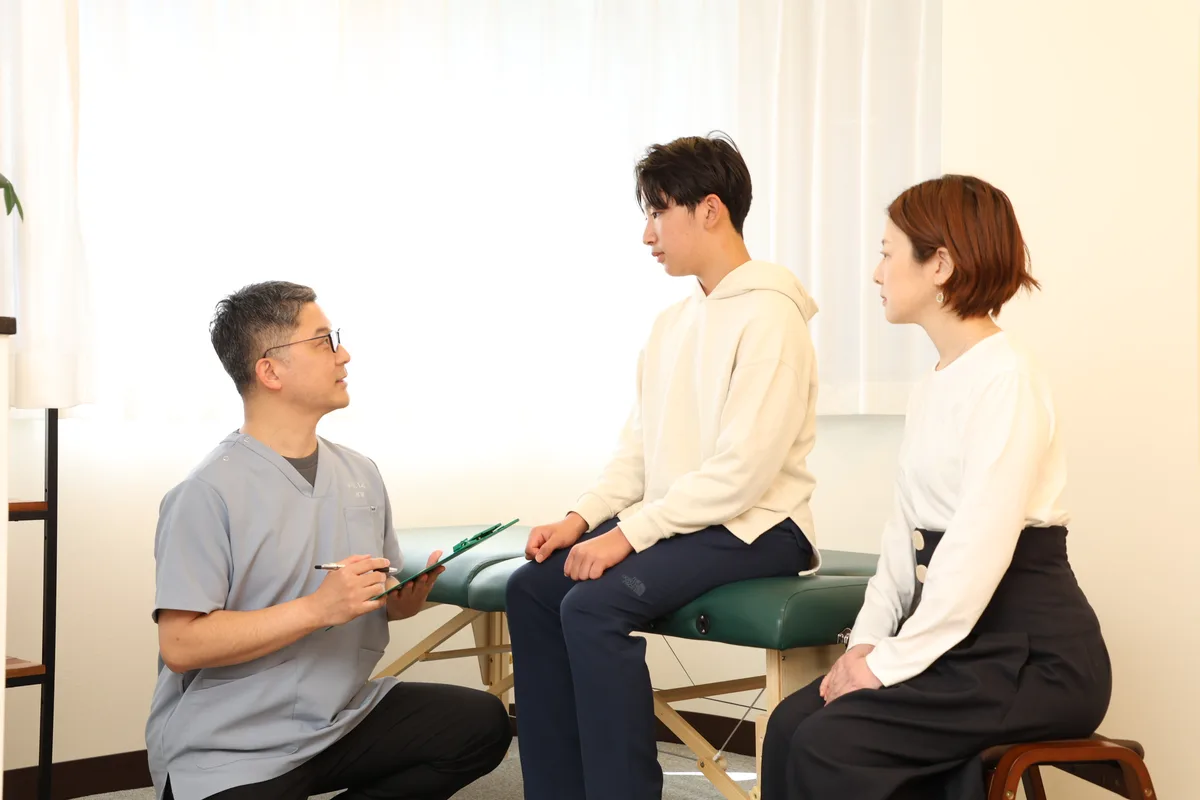
Working within each person's comfort
The person's experience of pain guides the session, with movement kept within a comfortable range rather than forced. If pain occurs, the practitioner adjusts the technique at that point.
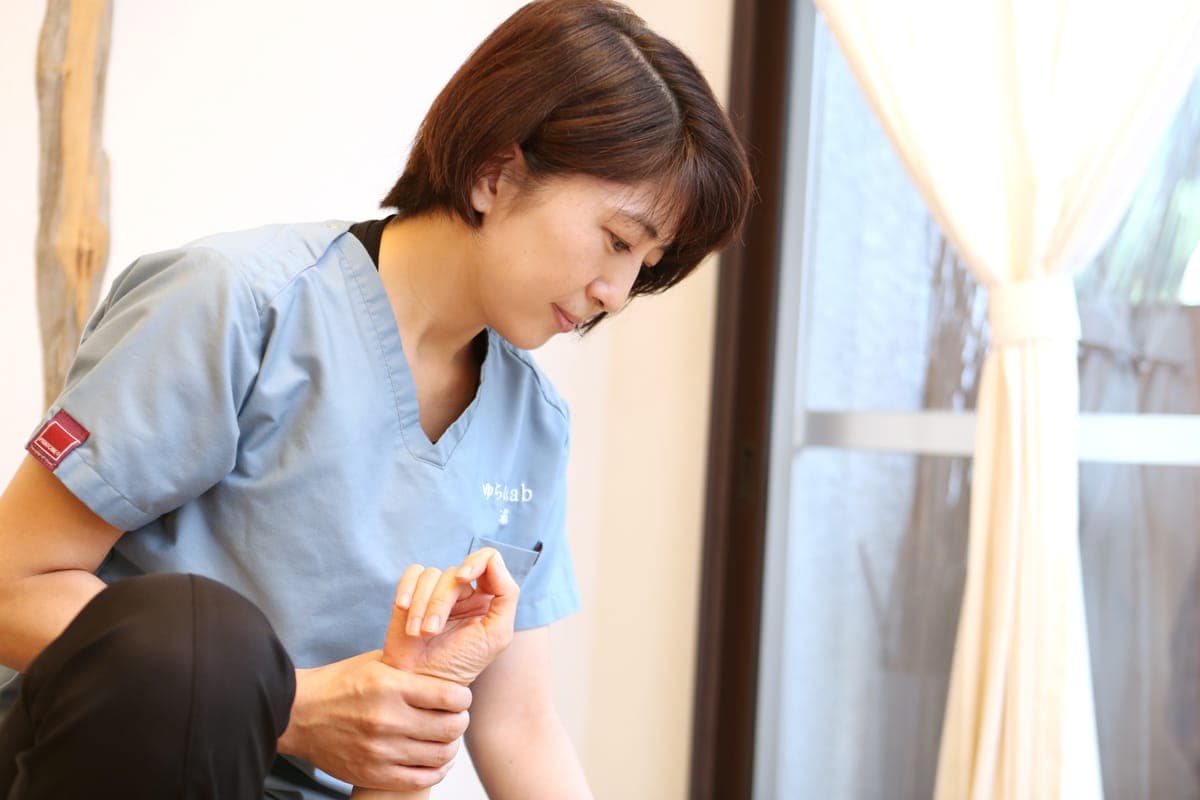
Yurashi Gentle Touch Therapy is a Japanese-origin hands-on approach that combines gentle hand pressure with joint movement. Practitioners adapt their touch and movements to each person's breathing, sensations, and physical responses.
Rather than using force to overcome tension, practitioners choose techniques the person can comfortably receive. The rhythm and range of movement, and coordination with breathing, matter as much as the amount of pressure.
Techniques include moving a joint while applying finger pressure, or while maintaining a gentle pulling force.
When guiding movement by hand, the practitioner uses one hand to support the body and the other to guide the joint's movement. Rather than focusing on one joint alone, they observe how it moves in coordination with adjacent joints and the trunk.
Movements generally follow a gentle, steady rhythm and stay comfortably within the joint's range, without pushing it to its limit. Practitioners check resistance to movement and the person's sensations, then adjust hand placement and range. The same symptom may call for different techniques depending on the person's condition.
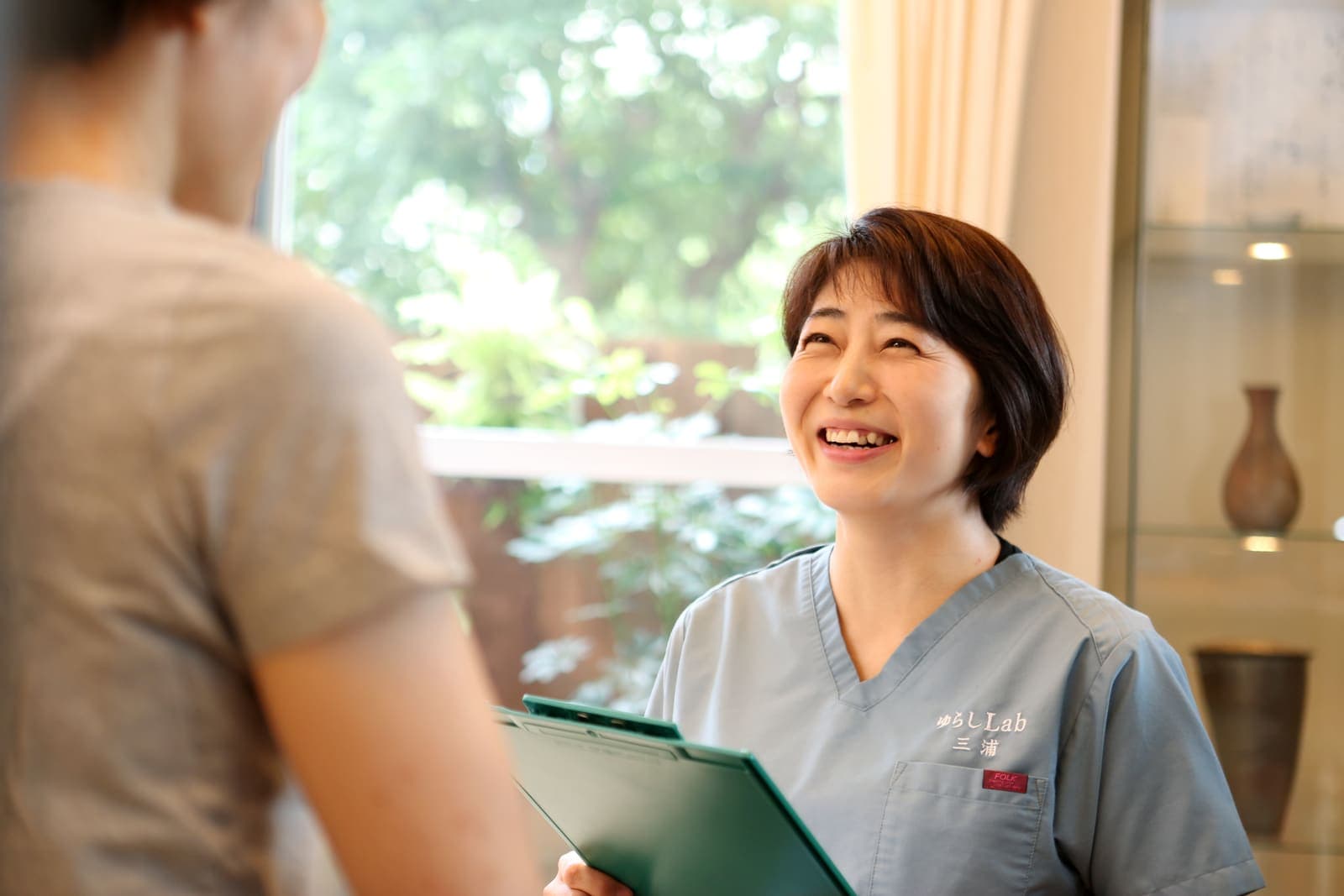
In Yurashi, muscle tension and restricted movement are not viewed simply as problems to be eliminated. They are considered possible responses to protecting part of the body or coping with everyday demands. Understanding that background is an important part of the approach.
Prolonged postures, repetitive movements, stress at work or home, and limited opportunities to rest all form part of the picture. Practitioners look beyond the painful area to the person's daily life. They observe posture, movement, and breathing, and listen to the person's experience when considering what the session can address.
The person's experience of pain guides the session, with movement kept within a comfortable range rather than forced. If pain occurs, the practitioner adjusts the technique at that point.
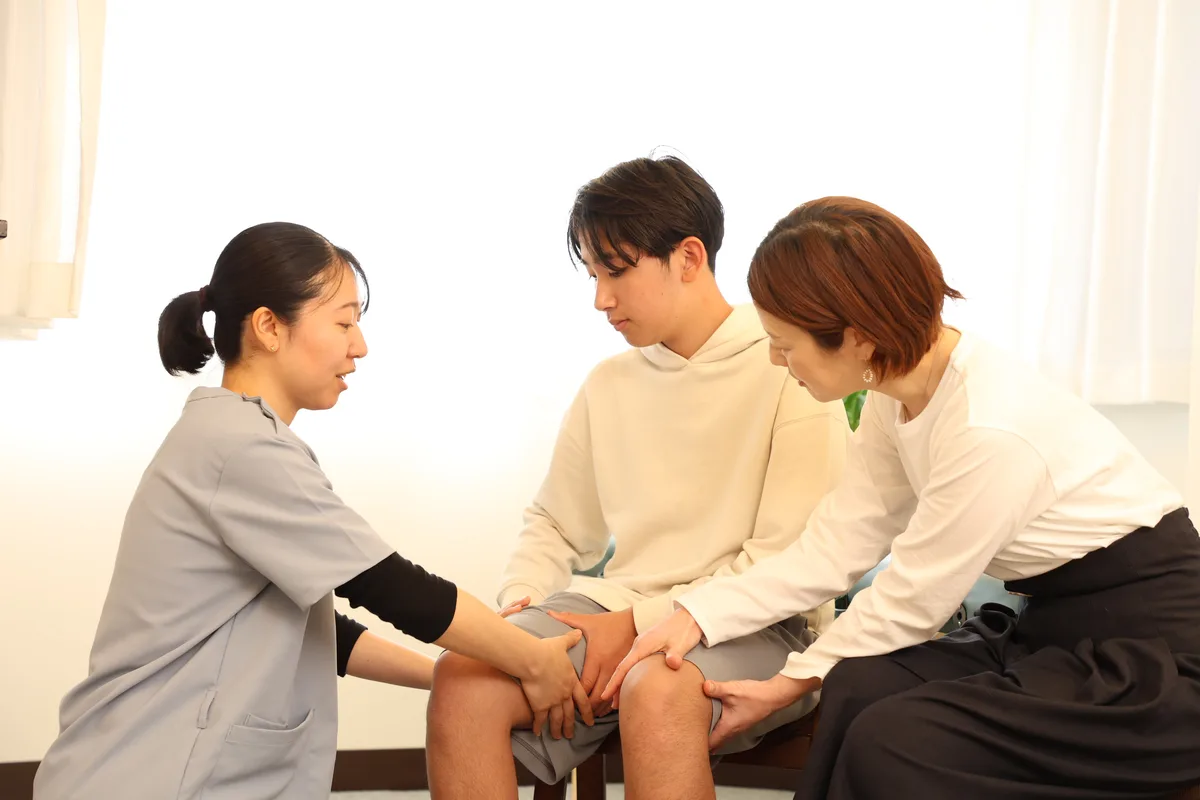
Pain involves physical, psychological, and social factors, and each person's experience matters. Imaging findings do not necessarily explain the whole experience of pain. The absence of an abnormal finding does not, on its own, rule out a medical problem.
Understanding pain: International Association for the Study of Pain
During a Yurashi session, practitioners adapt their touch and movements to the person's sensations and physical responses. This is different from diagnosing an illness or injury, or determining that no medical problem is present.
Diagnosis, medical tests, and treatment decisions are the role of healthcare professionals. Yurashi sessions do not replace these services. This page offers general information, rather than individual diagnoses or medical consultations.
For new or severe pain, or worsening symptoms, please consult a healthcare professional before a session rather than postponing medical care. If you are receiving medical treatment or are unsure whether a session is appropriate for you, please discuss this with your healthcare professional.
A directory of symptoms and concerns, organized by body area and type.
Inclusion does not establish that Yurashi is appropriate or effective for any listed condition. The scope of a session is assessed in light of medical diagnosis and treatment.
For pain or numbness after surgery, or symptoms associated with a condition under medical treatment, please speak with your treating physician about whether a session is appropriate and what it may address before proceeding. Yurashi does not replace diagnosis or treatment of the underlying condition.
Explore individual records of muscle strains, Osgood–Schlatter disease, and meniscal injuries, alongside shoulder, elbow, lower back, head and neck, and foot concerns. These videos are individual records, not guarantees of the same outcome or time to improvement.
8 categories · 21 videos
The audio and on-screen explanations in these videos are in Japanese.
People who have experienced Yurashi, and their families, have sent us handwritten postcards. This collection brings together the postcards published on our Japanese website, without grouping them by condition.
346postcards in this collection
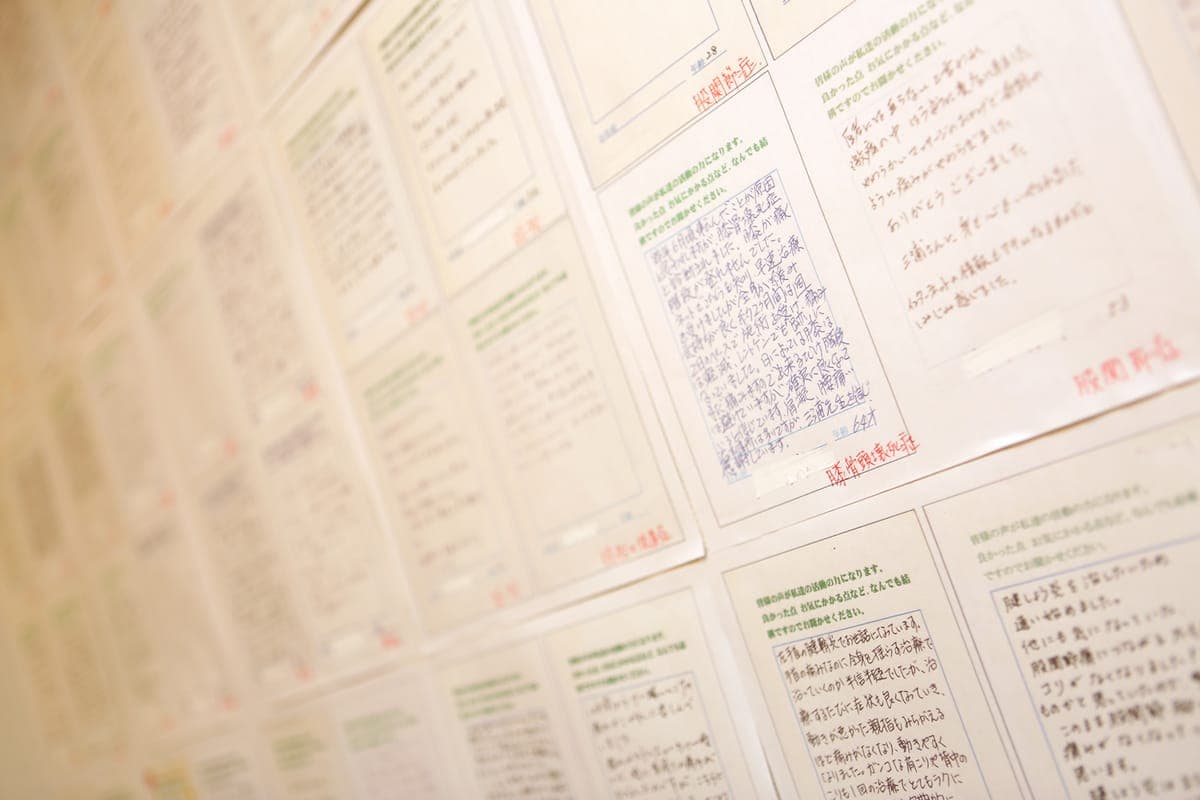
Original handwritten messages, mainly in Japanese. Select a postcard to enlarge it.
These postcards share individual experiences and opinions. They are separate from clinical research findings and do not guarantee effectiveness or safety.
View on our Japanese websiteRatings for our four directly operated Yurashi Lab locations. Current ratings and reviews are available on each location’s Google Maps page.
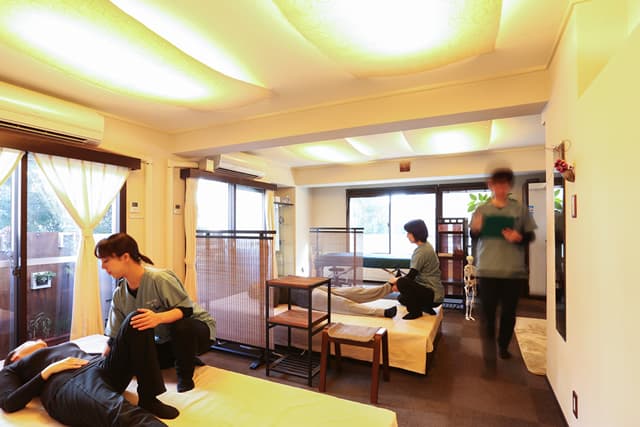
Yurashi Lab
4.8/ 5
279 reviews
View on Google Maps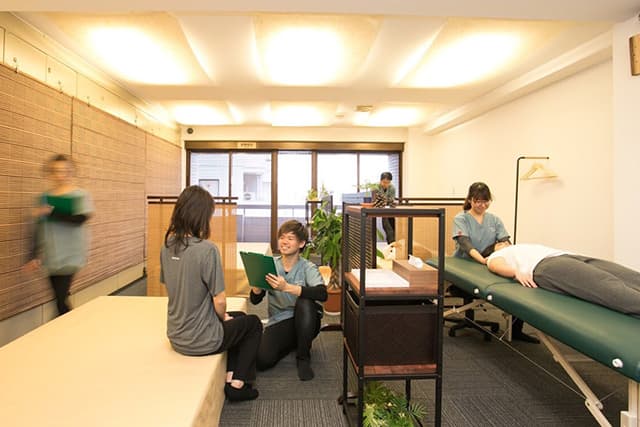
Yurashi Lab
4.9/ 5
237 reviews
View on Google Maps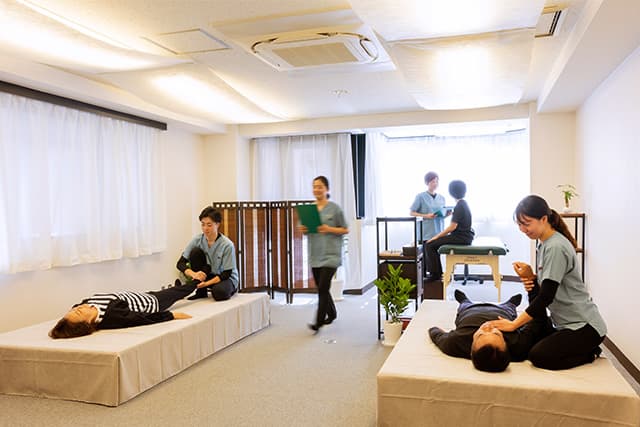
Yurashi Lab
5.0/ 5
23 reviews
View on Google Maps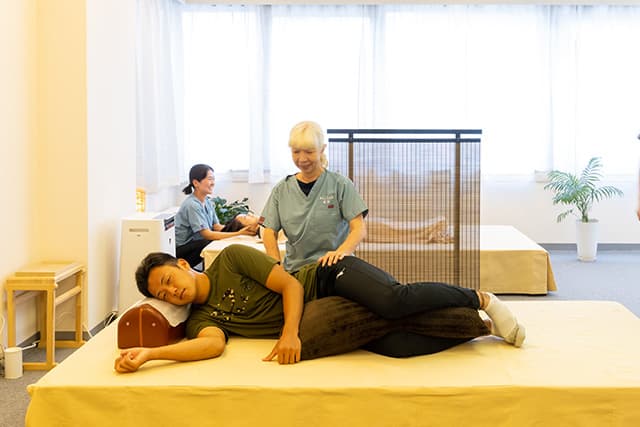
Yurashi Lab
4.9/ 5
115 reviews
View on Google MapsThese ratings reflect customers’ experiences and do not guarantee the effectiveness or safety of the therapy.
Yurashi has its roots in Japanese hands-on care and gentle-touch techniques. Koji Matsunaga developed the techniques he learned in Japan, spending approximately 10 years systematizing the techniques and theory as Yurashi.
He then introduced this approach, systematized in Japan, to Germany. The medical research and international exchanges that followed continue to inform today's education and collaborative research.
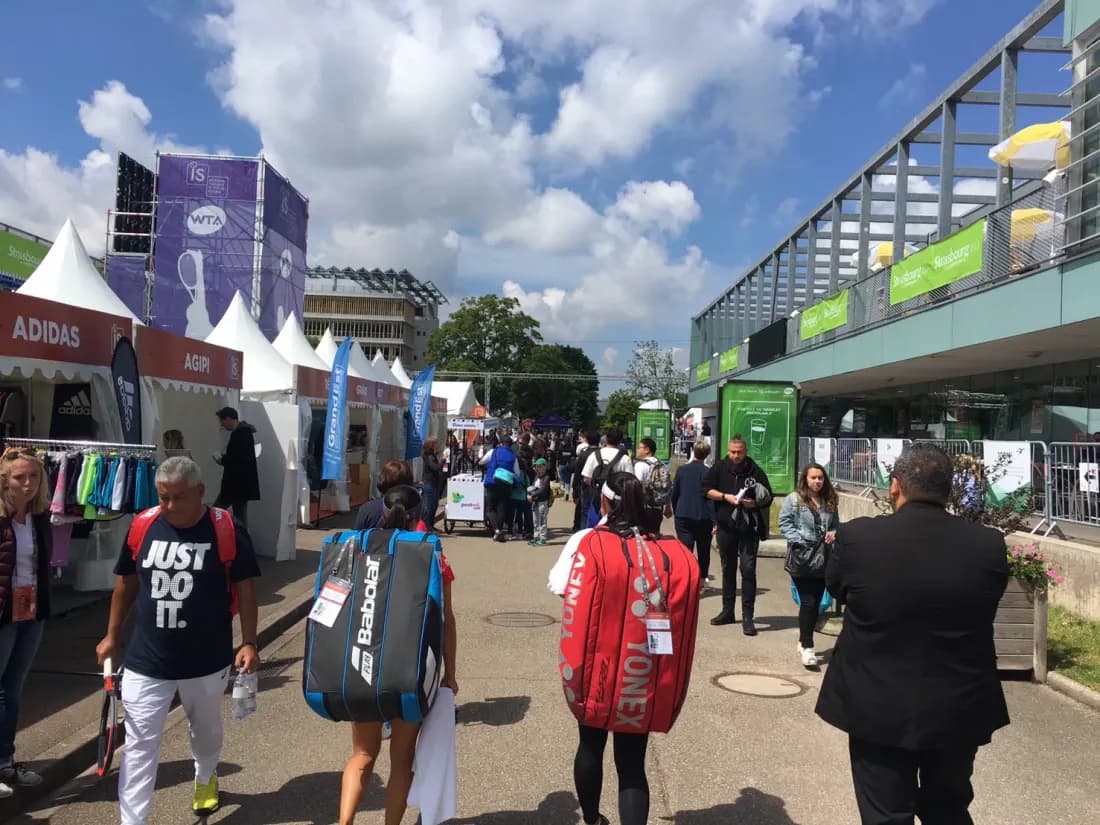
At the tennis tournament venue in Strasbourg
These photographs document a separate event in Strasbourg, not the French Open mentioned below.
In 2019, we accompanied a player competing in the French Open tennis tournament. Our work spans both competitive sports settings and research with physicians and researchers.
Read the physician interview mentioning the French Open trip
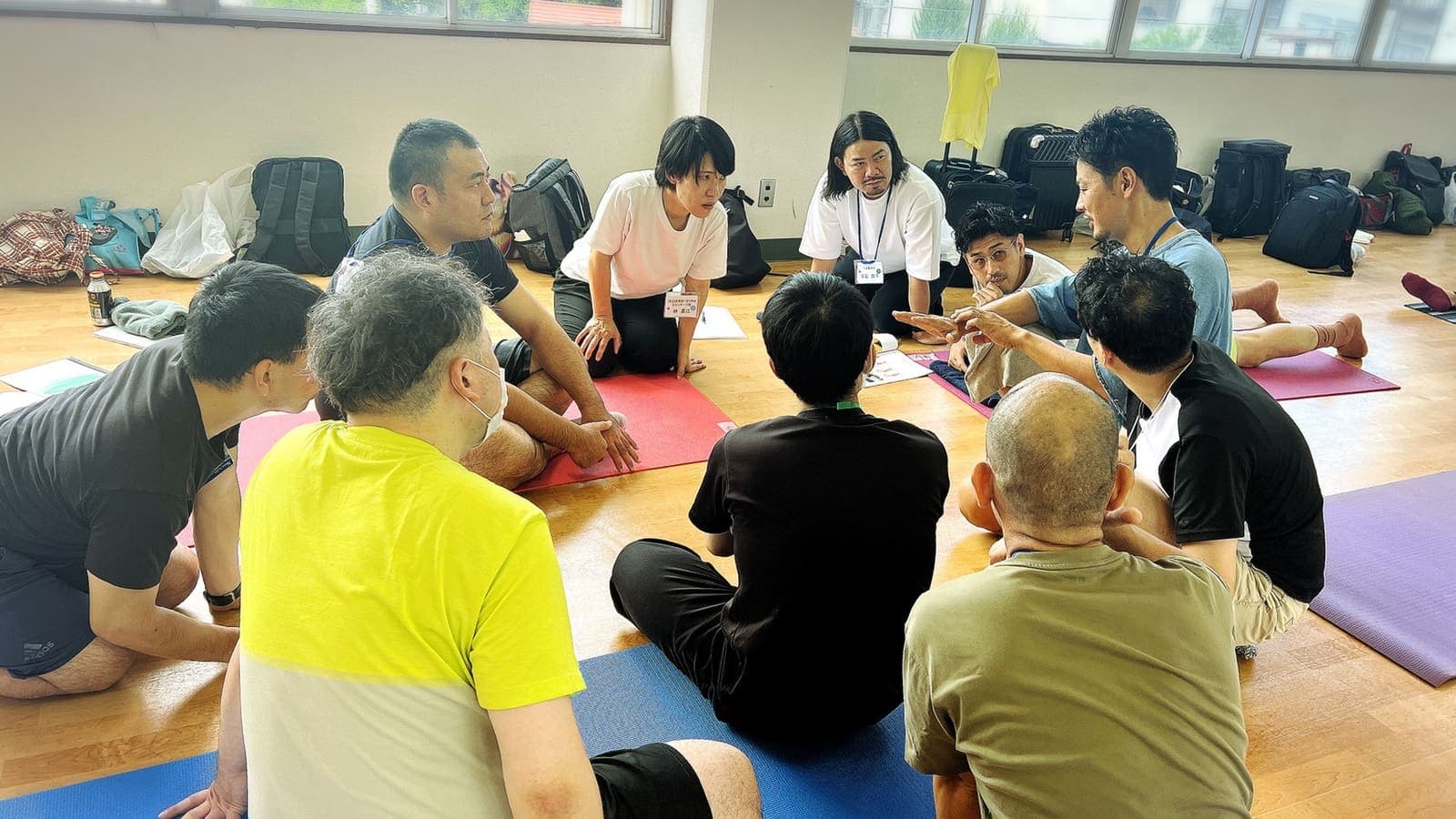
Courses teach hand techniques alongside how to assess a person's condition and why to choose a particular technique. Certification and continuing training also cover responses to pain and decisions about the appropriate scope of a session.
We aim to test observations from practice through research, then bring the findings back into practice and education. This ongoing exchange is intended to deepen both technical skill and understanding.
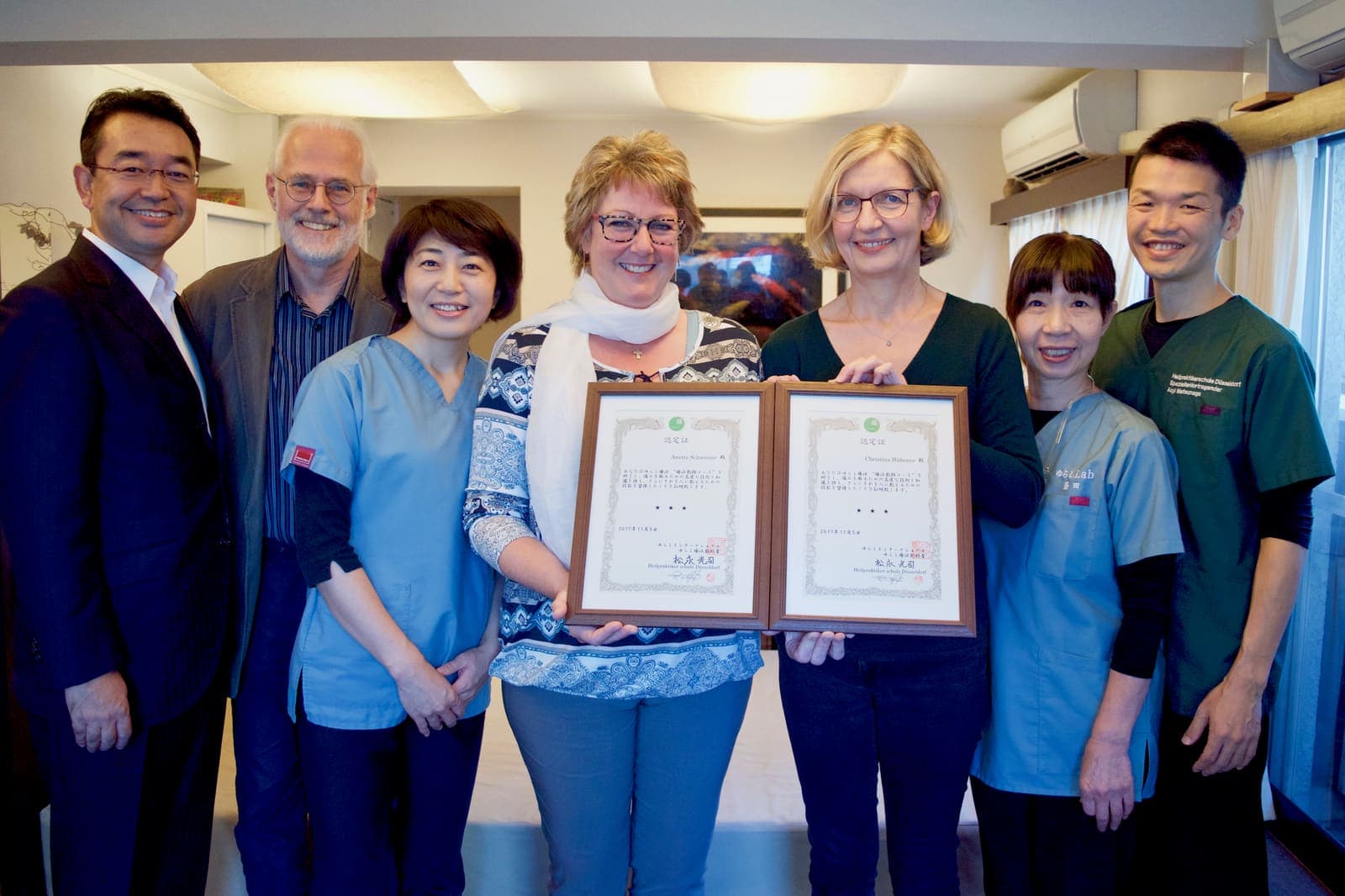
We hope to introduce the techniques and research developed in Japan to professionals in medicine, rehabilitation, and sport overseas.
This means offering firsthand experience and listening to professional perspectives, sharing research papers, and exploring questions we can investigate together. We will continue these exchanges with respect for local healthcare systems and professional roles.
The examples below describe collaboration with medical institutions in care and research. Within these collaborations, physicians remain responsible for diagnosis and medical treatment plans; Yurashi sessions do not replace those medical roles. In research, researchers design the assessments and carry out measurement and analysis.
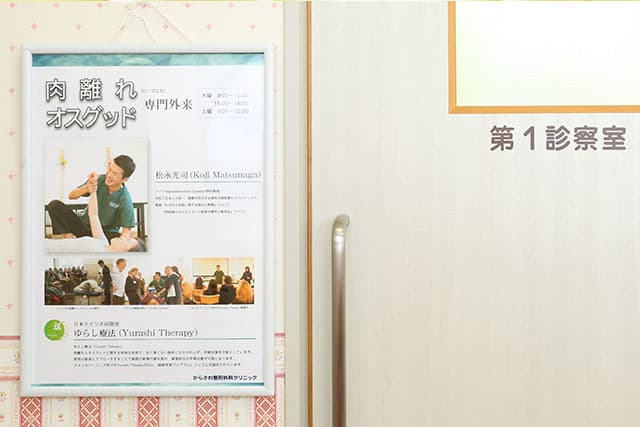
Hands-on care and collaborative research in orthopedics
We collaborate with Dr Genko Karasawa on research into Osgood–Schlatter disease. The clinic is the clinical research site for the published studies.
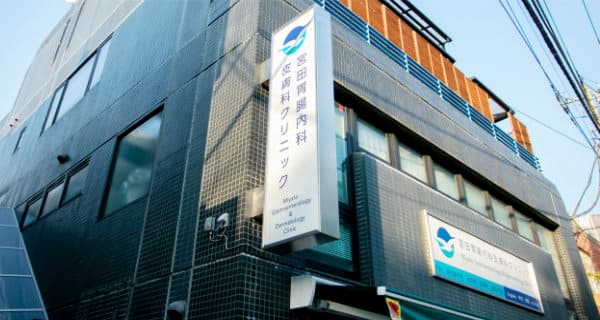
Extending research into internal medicine
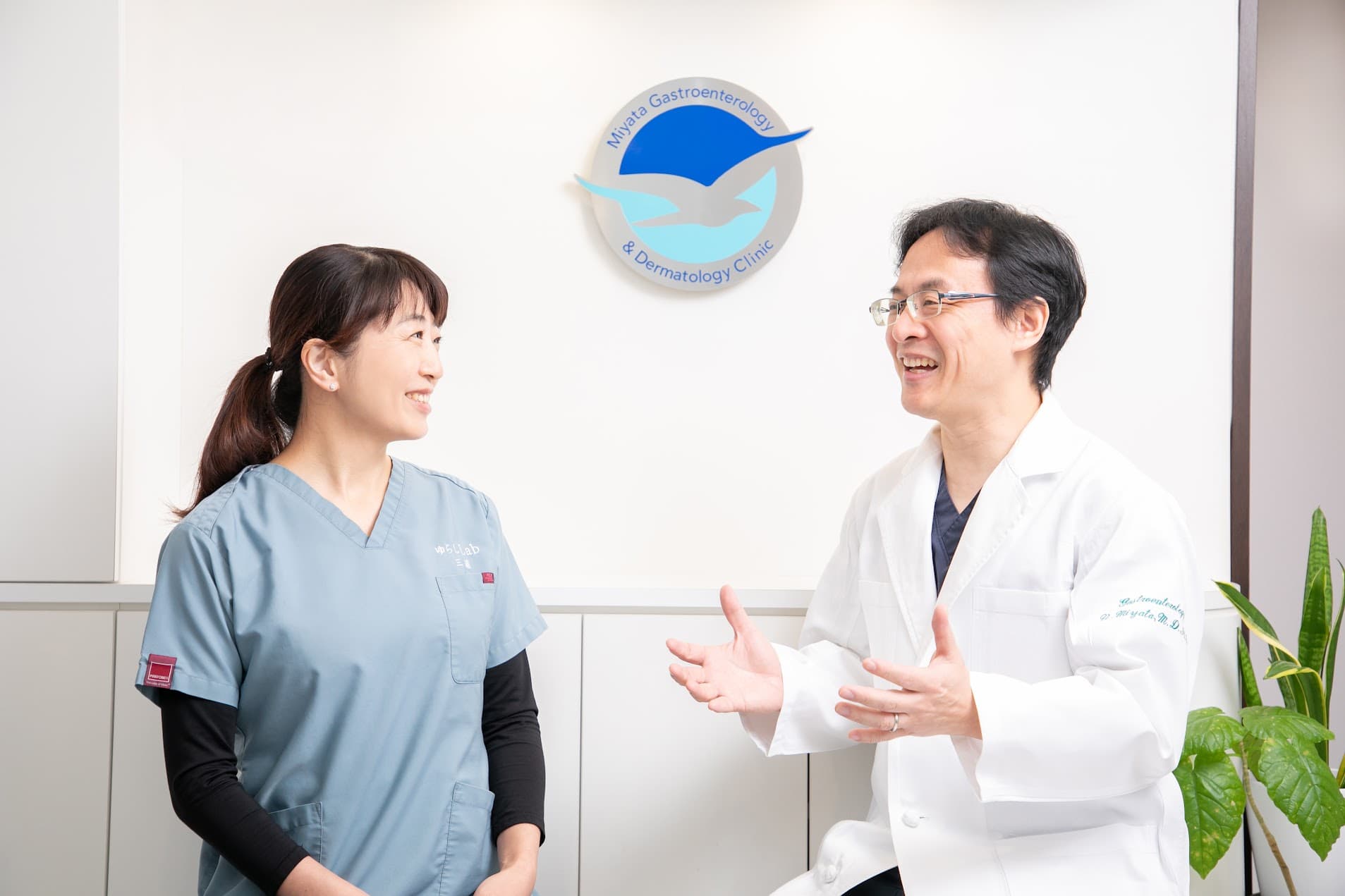
We work with Dr Naoteru Miyata on research into a hands-on intervention for functional dyspepsia (FD).
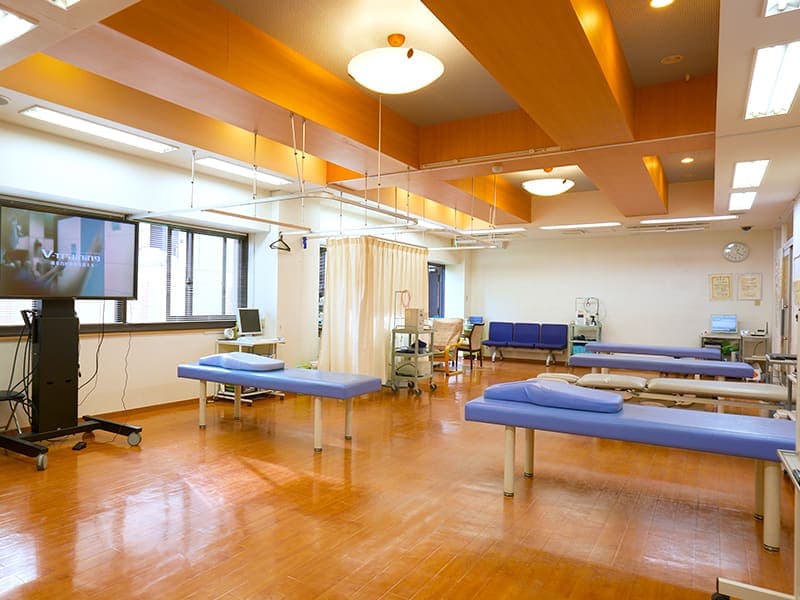
Connecting orthopedic care and hands-on practice
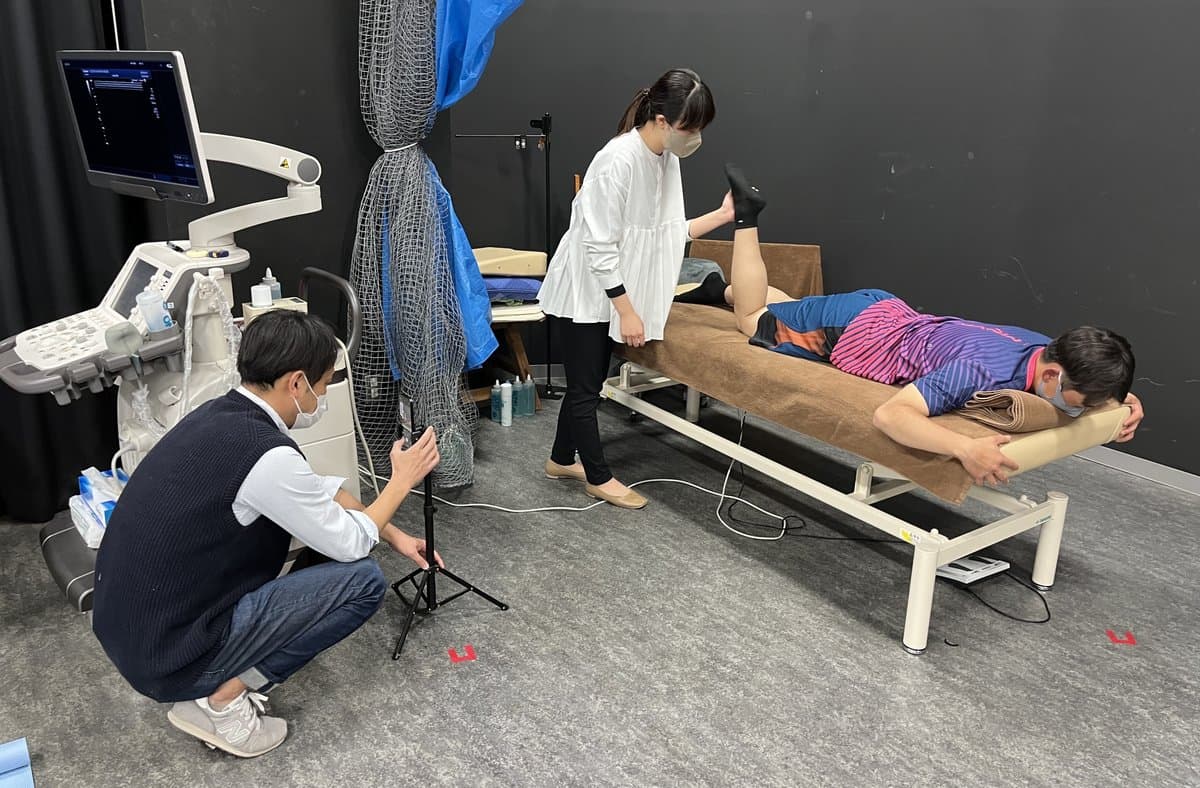
Yurashi sessions are provided within the clinic, which also collaborates on research into muscle strains.
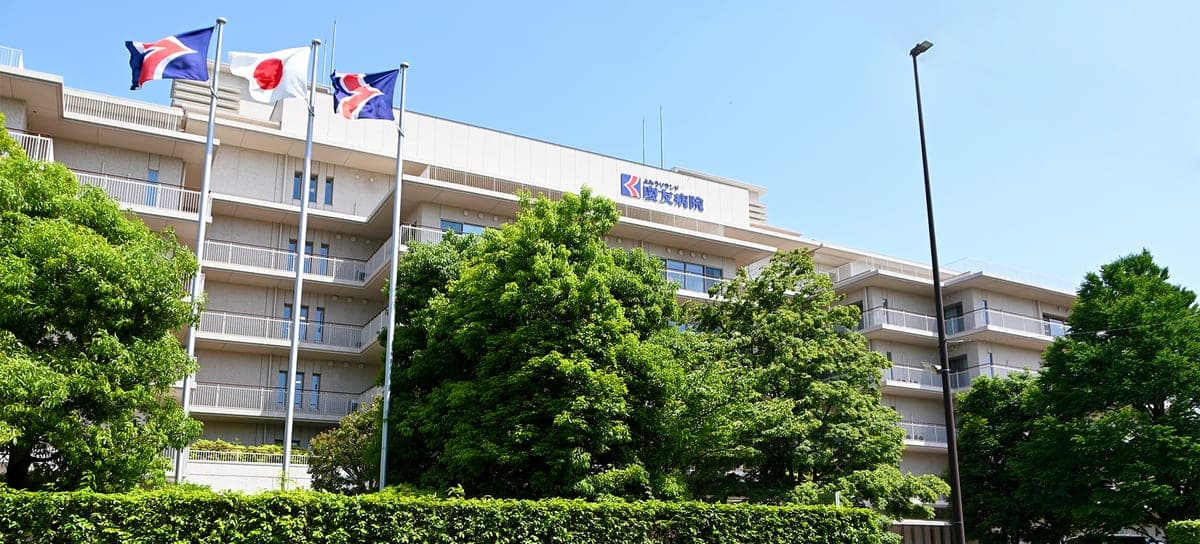
Care in an end-of-life setting
We have been involved in complementary care using gentle touch in an end-of-life care setting.
Collaborative research with the Institute of Physical Education, Keio University, and Karasawa Orthopaedic Clinic has led to two papers on Osgood–Schlatter disease in peer-reviewed international journals.
The studies examine one part of the approach as passive hip and knee joint movement. Passive movement means that an external force, such as a practitioner's hands, moves the joint rather than the person moving it themselves. The studies assess immediate changes in muscle stiffness, ease of movement, and self-reported pain.
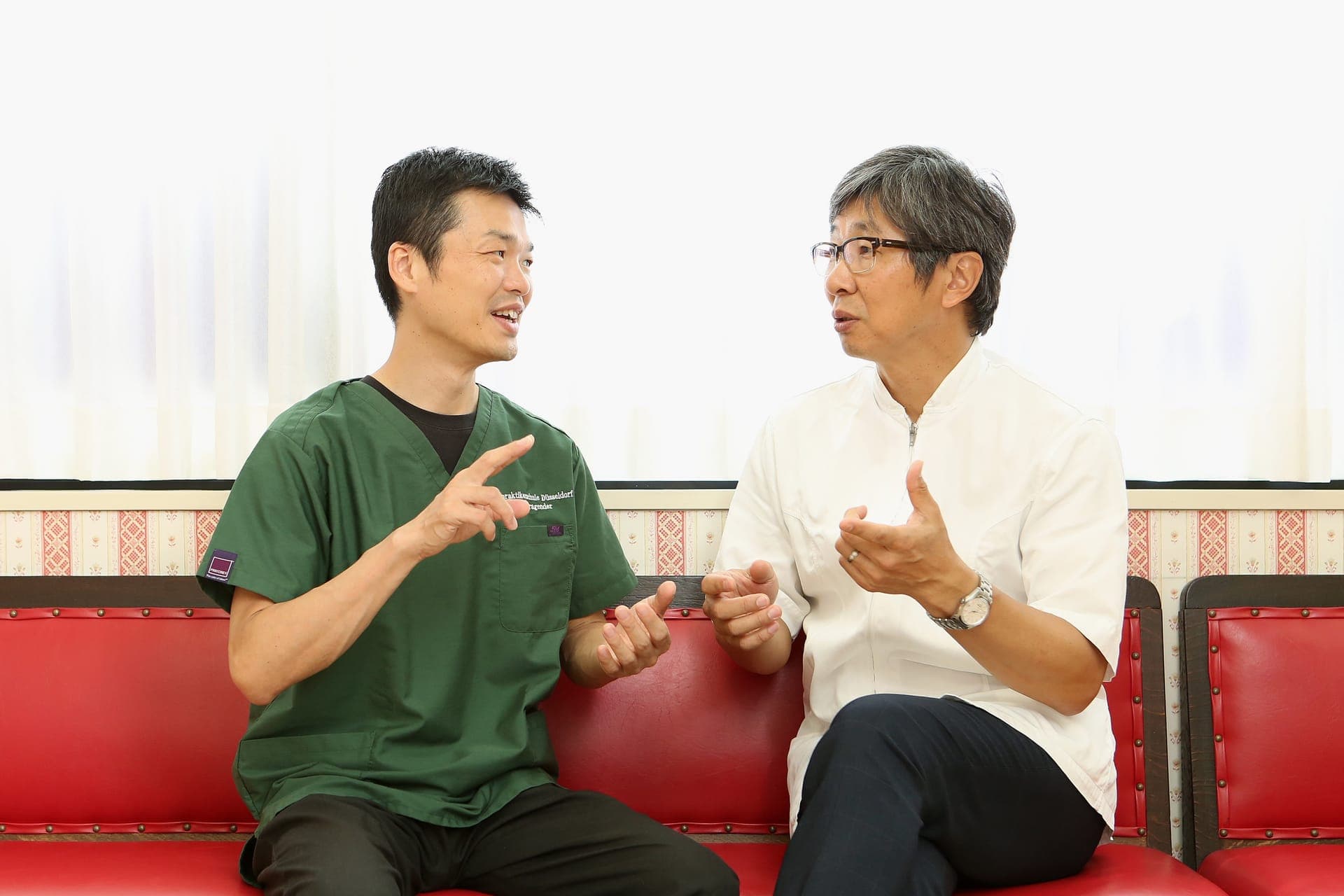
| Item | Details |
|---|---|
| Participants | 53 participants with bilateral Osgood–Schlatter disease |
| Method | Each participant's legs were randomly assigned to intervention or rest; 10 minutes of passive movement was compared with 10 minutes of rest |
| Measures | Stiffness of the rectus femoris muscle at the front of the thigh, heel-to-buttock distance, and self-reported knee pain |
| Findings | Muscle stiffness, heel-to-buttock distance, and pain decreased immediately on the intervention side. No significant changes were reported on the resting side |
Journal: Arthroscopy, Sports Medicine and Rehabilitation / 2026 / Volume 8, Issue 4, e70041
Read the publication record · DOI: 10.1002/ars2.70041
 PubMed
| Item | Details |
|---|---|
| Participants | 15 participants aged 10–14 with bilateral Osgood–Schlatter disease |
| Method | Two 10-minute sets of passive movement on the intervention side, with measurements before the intervention, after one set, and after two sets. The opposite side rested |
| Measures | Rectus femoris muscle stiffness |
| Findings | Stiffness was lower than baseline after both one and two sets, but no significant difference was reported between the first and second sets |
Journal: Children / 2026 / Volume 13, Issue 4, 460
Read the paper · DOI: 10.3390/children13040460
Funding: Yurashi International Co., Ltd. The paper discloses that the company did not influence the scientific interpretation of the collected data or publication of the paper.
 Children
These studies examine immediate changes in specific participants under specific conditions. They do not establish a cure, prevention of recurrence, long-term benefits, or effectiveness for other conditions.
We distinguish the principles behind the approach from findings established by research. These papers do not explain the detailed mechanisms behind the changes or establish the effects of the full range of Yurashi techniques.
| Topic | Status |
|---|---|
| Hands-on intervention for functional dyspepsia (FD) | Manuscript submitted and under peer review |
| Hands-on intervention for muscle strains | Research ongoing with physicians and researchers |
The FD work concerns internal medicine; the muscle-strain work concerns orthopedics and sports medicine. We present work under review or in progress separately from published findings.